

Reading
Intent
Reading is a fundamental part of everything we do at Walmley. We see it as our responsibility to build up a foundation of skills which will develop confident, independent readers who can access a wide range of literature. Exposure to a range of high-quality texts across the curriculum ensures that our children can articulate and convey meaning using a rich and varied vocabulary that suits the purpose. We see reading fluency and the enjoyment of reading as an integral part of a child’s academic progress, with many of the children from Walmley going on to higher education and aspiring to have successful careers in the future. Our aim is to promote a love and passion of reading which can enhance a child’s positive mental wellbeing, resilience and motivation in later life. Our primary aim is to provide all children with the tools that enable them to understand the importance of reading and its application in everyday life.
Implementation
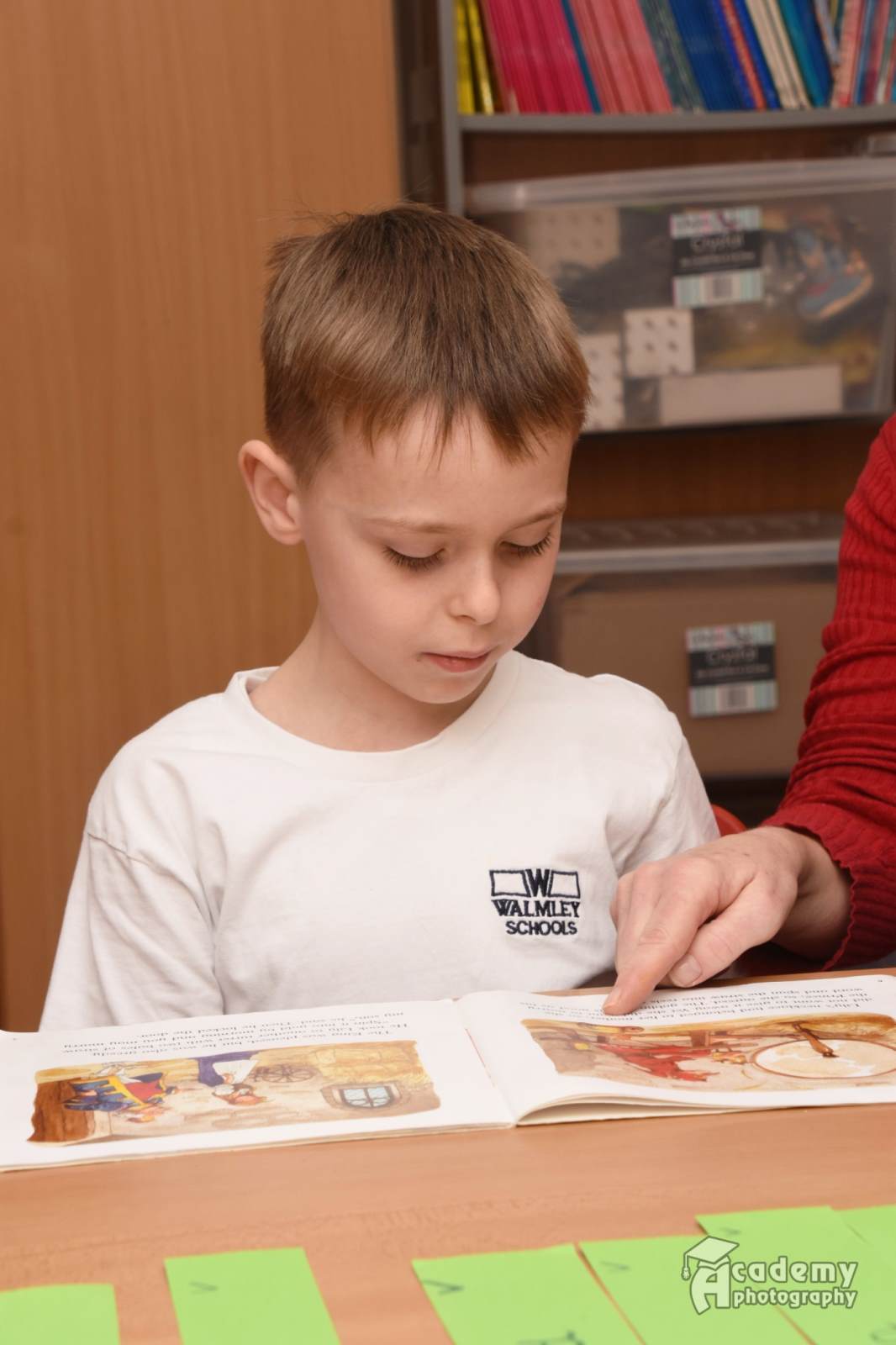
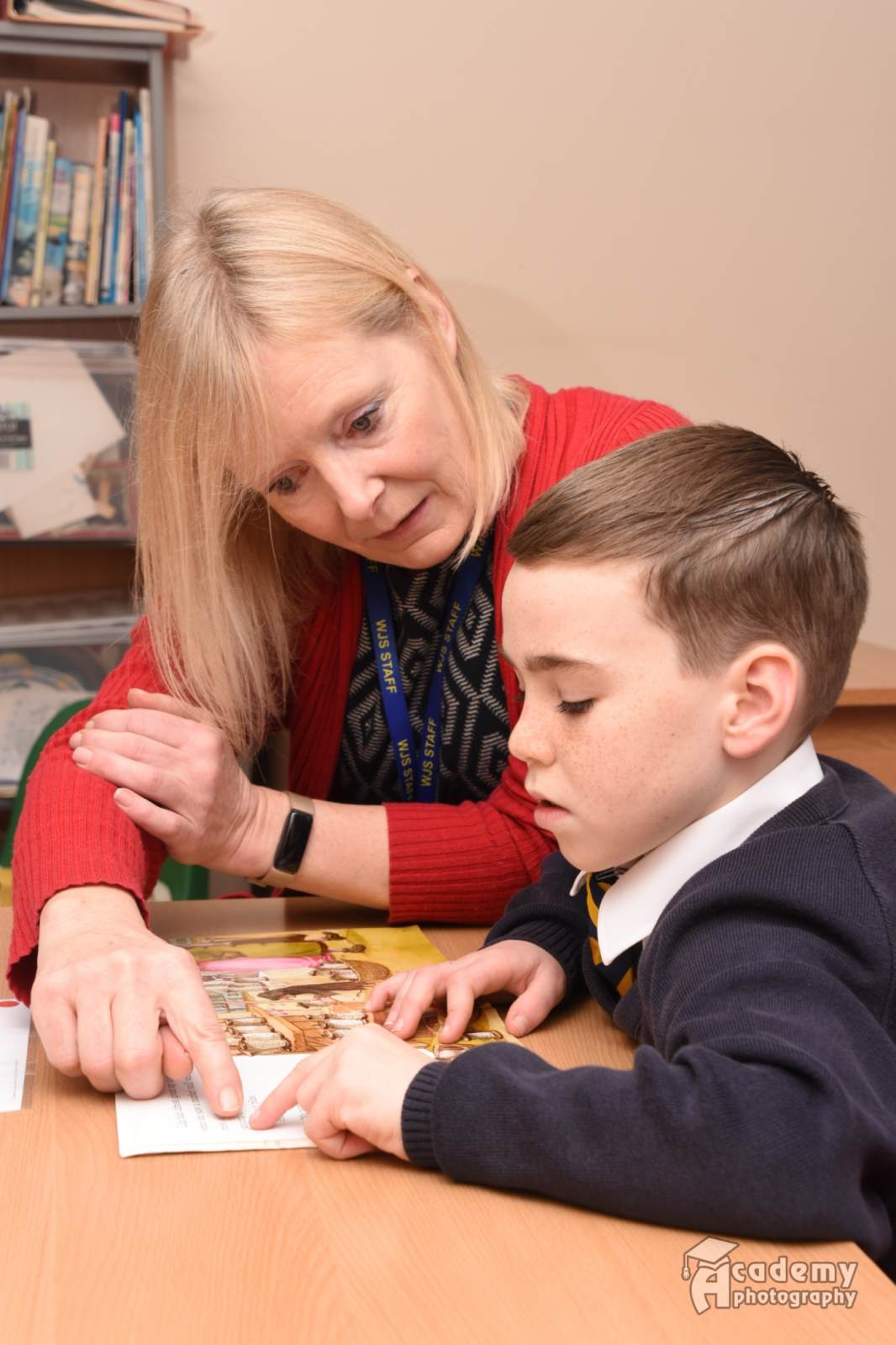
The core of our Reading Curriculum is the National Curriculum. We have researched commercial schemes but have not found any that meet our needs. We have therefore developed a much stronger in-house scheme that meets the needs of our children and intelligently repeats the eight content domains stated within the National Curriculum. Lower Key Stage 2 specifically focus on retrieval, inference and the meaning of words to develop their confidence as readers and build upon prior comprehension knowledge as they progress through school. Through the moderation of assessments against Age Related Expectations, end of year assessments and the thorough analysis of reading papers to inform future planning, we are confident that judgements about pupil progress is consistent across the school. We strongly believe that the Progression of Skills that we have in place at Walmley ensures all essential skills are covered and allows the children to transfer these skills into all subject areas throughout the wider curriculum. This provides our children with the opportunities to demonstrate what they know and what they can do in a range of different contexts. In order for this to happen, our lowest 25% of children from each year group are reading four times a week with a specific focus on reading fluency following the Little Wandle Catch Up Programme.
With reading being such a fundamental life skill, we have increased the curriculum time for reading opportunities and put a high level of thought into the range of texts that our children have access to, both within Reading lessons and as independent readers. All our staff have received specialised phonics training delivered by Little Wandle: Letters and Sounds Revised. The teaching of phonics continues in Year 3, with the aim of all children being able to ‘crack the code’. Children that have not passed, or have only just passed, the KS1 Phonics screening are quickly identified to ensure that they are receiving the necessary support with their reading.
In addition to the reading fluency groups, phonics interventions and reading books at the appropriate level of challenge, we have invested in the Lexia Reading Program. This allows children to accelerate their learning of fundamental literacy skills and close the gap with their peers.
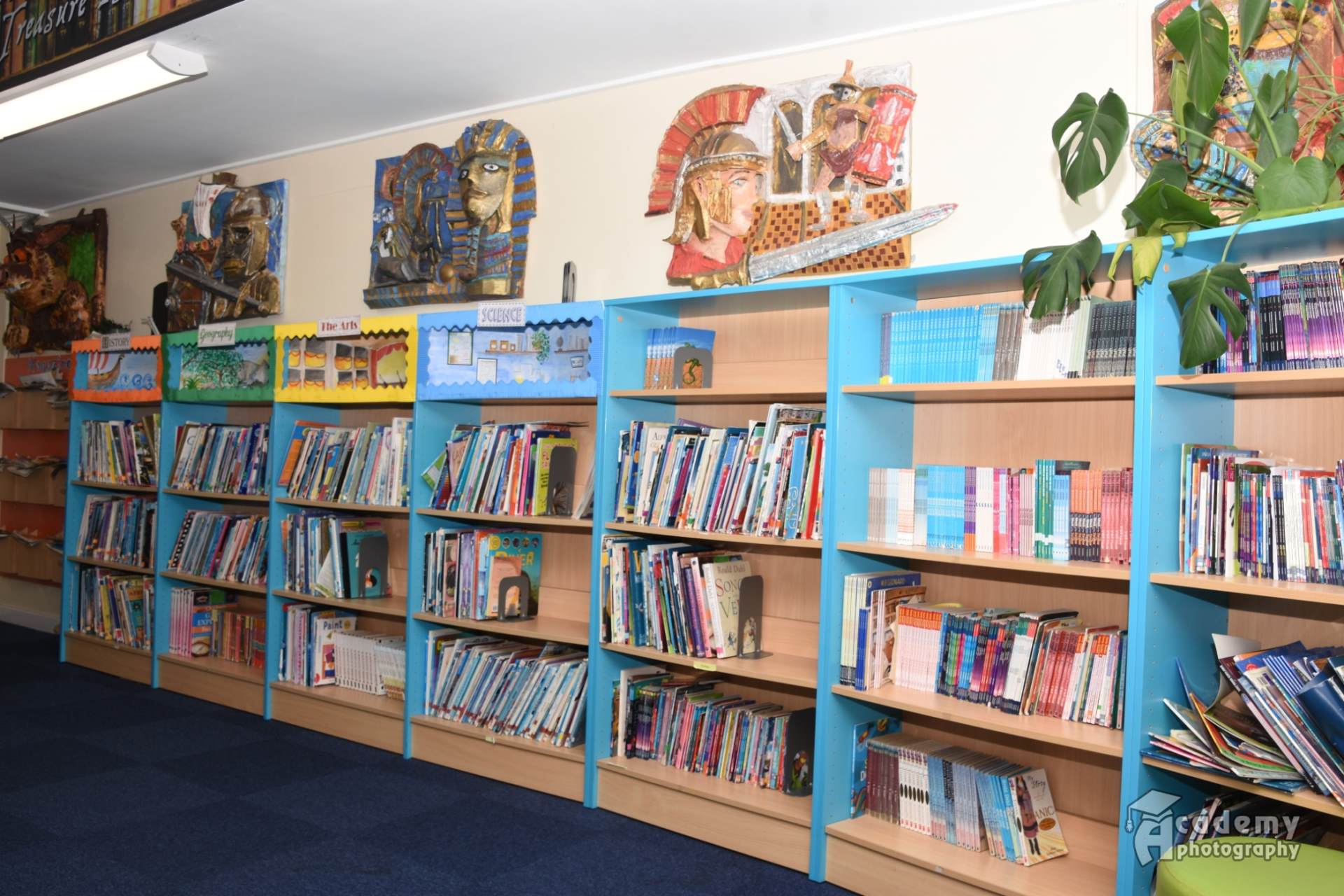
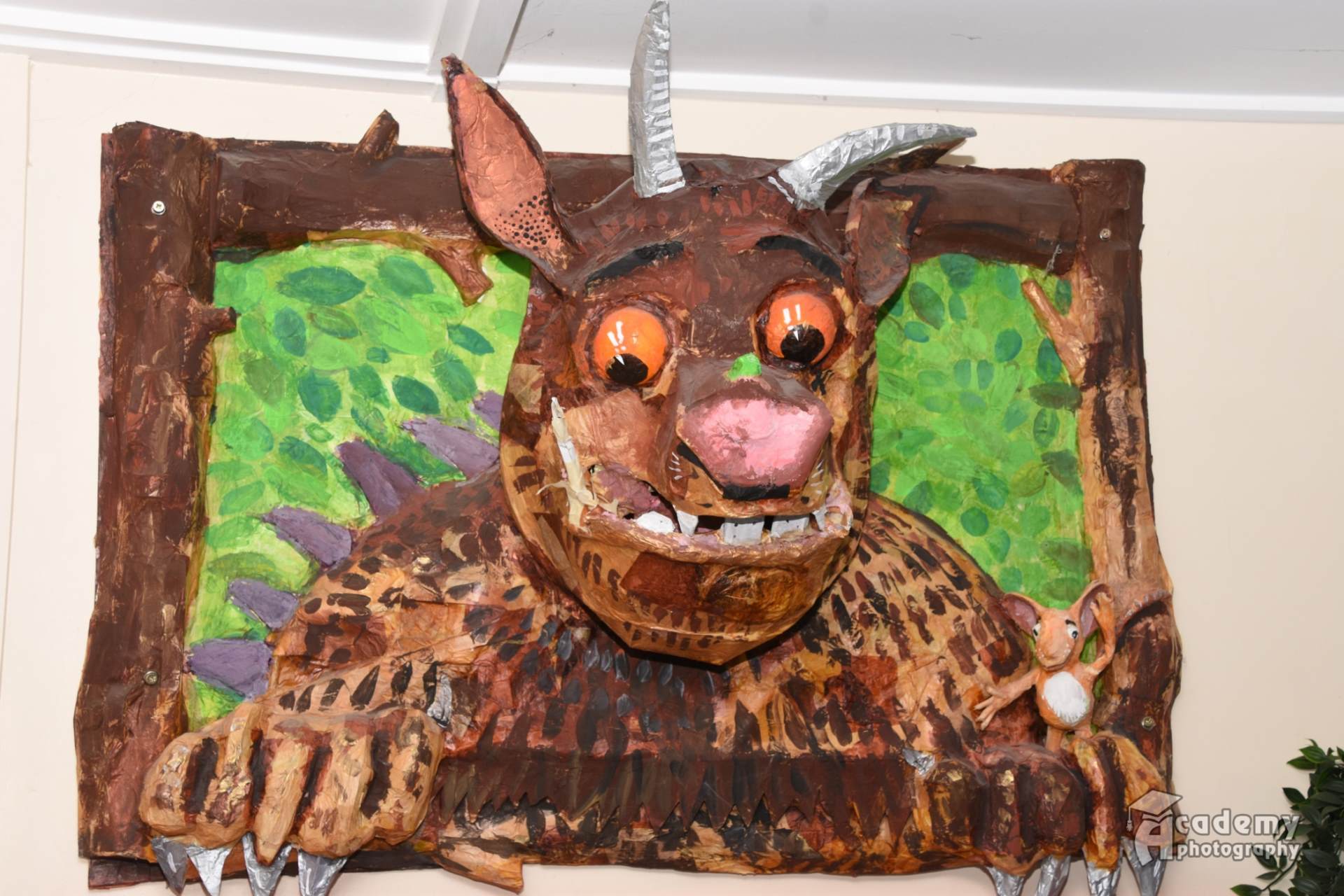
We endeavour to develop our children’s ‘Cultural Capital’ with a language rich environment and ensure that we have a wider range of texts displayed in both the library and each classroom which correlates with our Creative Curriculum. Within our classrooms, we explore ambitious vocabulary across the wider curriculum through working walls, words of the day and well-planned vocabulary lists to stretch and deepen understanding in all subject areas. This allows children to draw their vocabulary together through a cross-curricular experience.
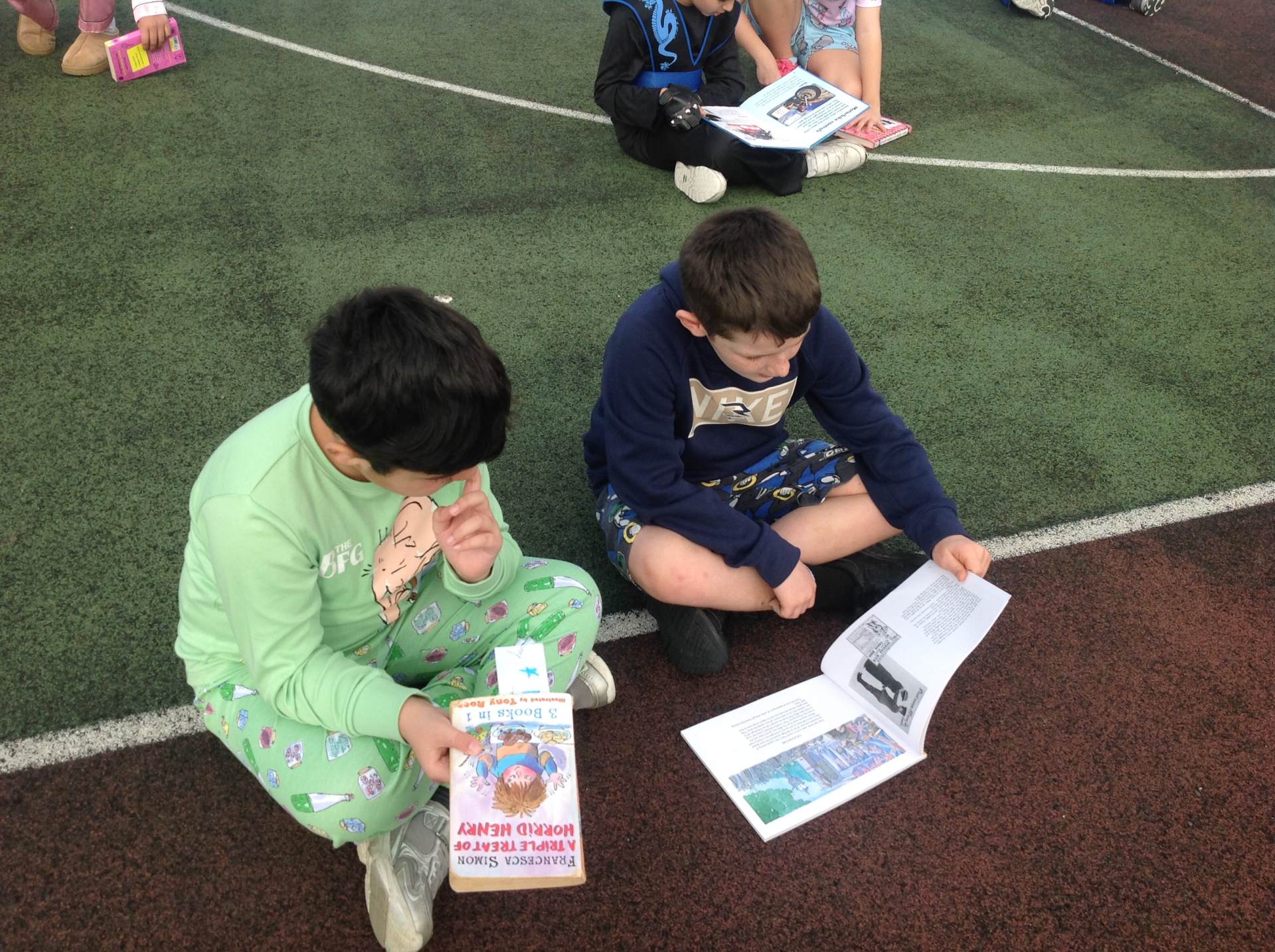
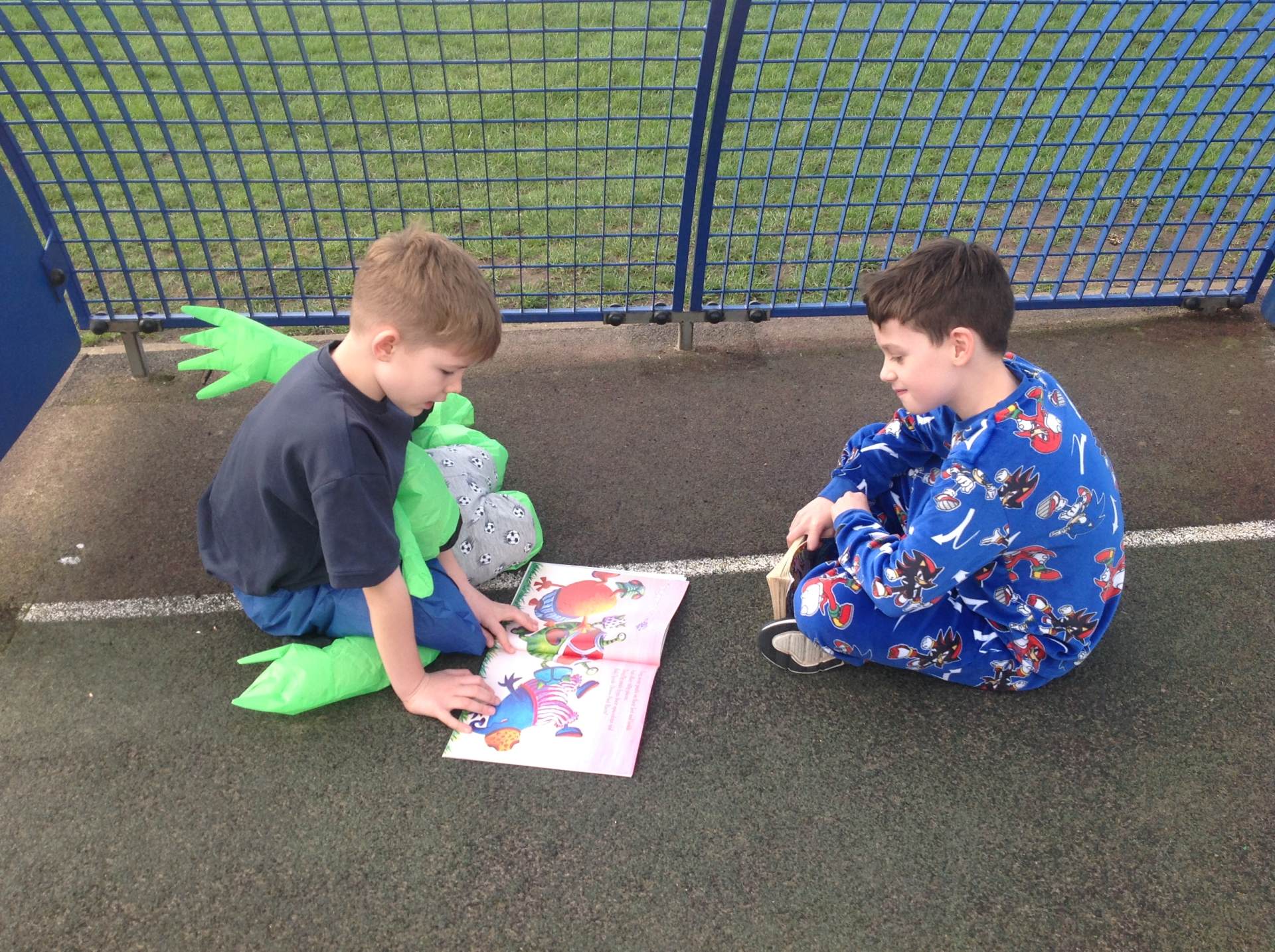
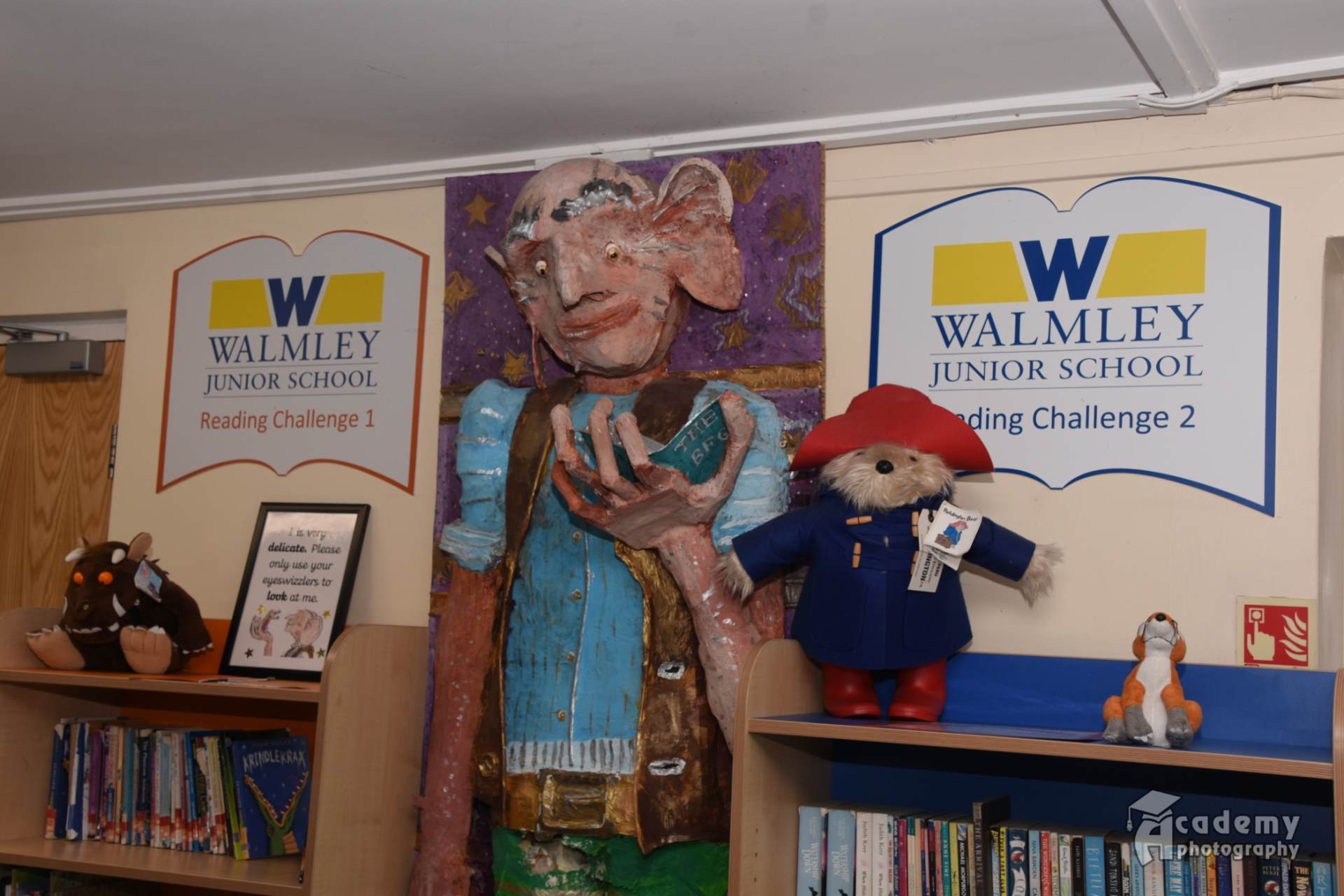
We have invested heavily in the resourcing and environment of our school library to help promote a love and passion of reading, with all books being banded and the introduction of the our brand new Class Library Crates that contain the top 100 books for each year group – increasing representation, diversity and increasingly high-quality texts. Reading is celebrated in a variety of different ways: our children enjoy sharing the books they have read with their class, leaving book recommendations and reviews on chalk boards located in the library, half-termly reading challenges to win prizes and weekly Reading Champions. This encourages children to evaluate the books they have read, learn more about famous authors and read books that have been recommended by their peers.
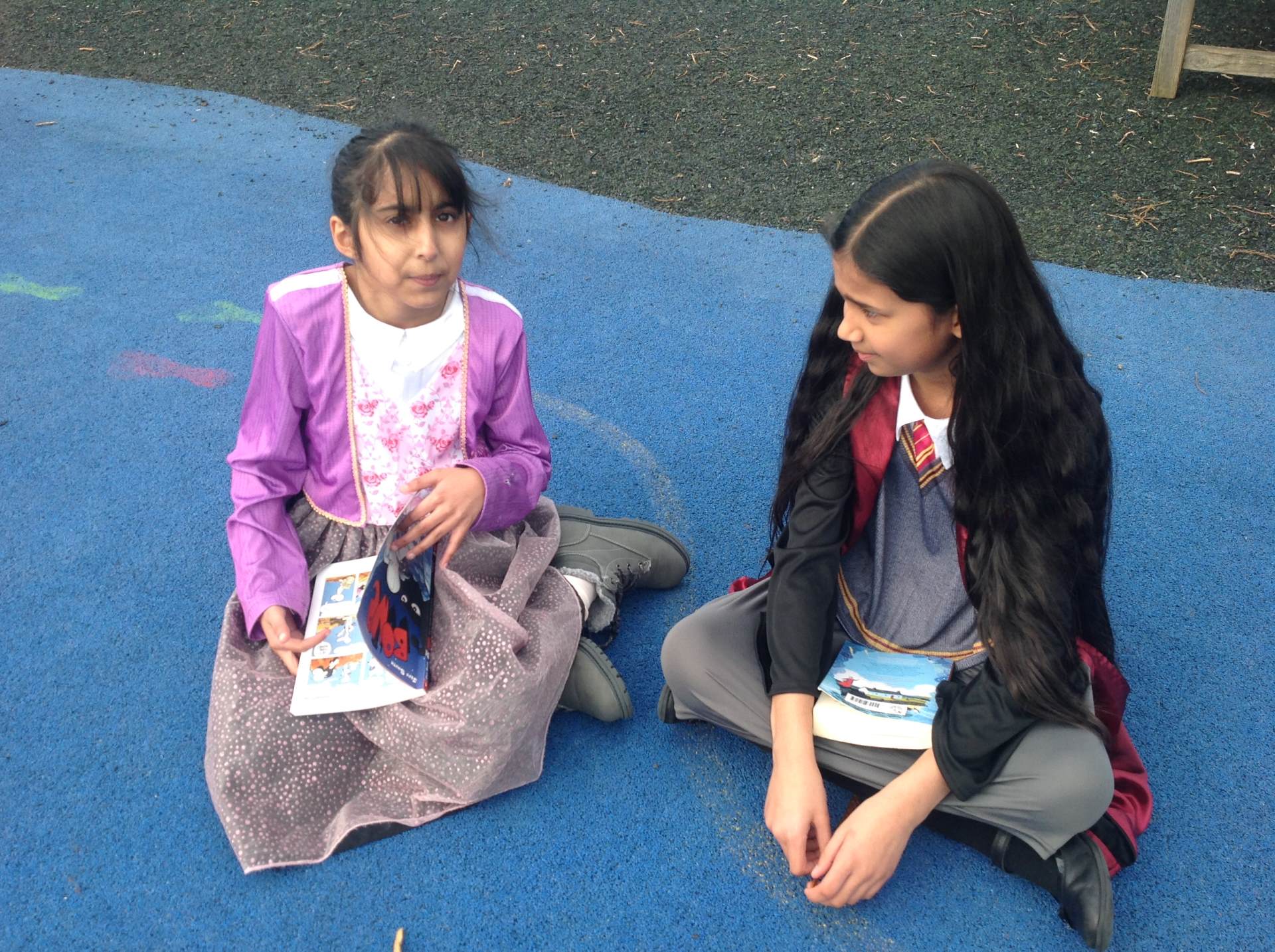
Throughout the year, we provide our children with many exciting opportunities use their imagination and immerse themselves in the many different worlds that they wouldn’t experience in every day to day life: World Book Day, author and poet visits, book swaps, ‘Read for Good’ sponsorship cards and the enjoyment of listening to an adult reading aloud every single day.
Impact
The impact of our Reading curriculum is that our pupils leave us as fluent, competent readers who have a lifelong love of books and a passion for reading. We promote reading for pleasure as part of our Reading curriculum and children are encouraged to develop their own love of genres and authors. This enhances a deep love of literature and allows all of our children to access the learning across a range of creative curriculum subjects. Attainment in Reading is measured using the statutory assessments at the end of Key Stage Two. These results are measured against the reading attainment of children nationally and demonstrate that all of our children make good progress in Reading. In comparison to national figures, we have a higher percentage of children achieving both the expected and higher standards.
Progression of Skills
Reading