

Computing
Intent
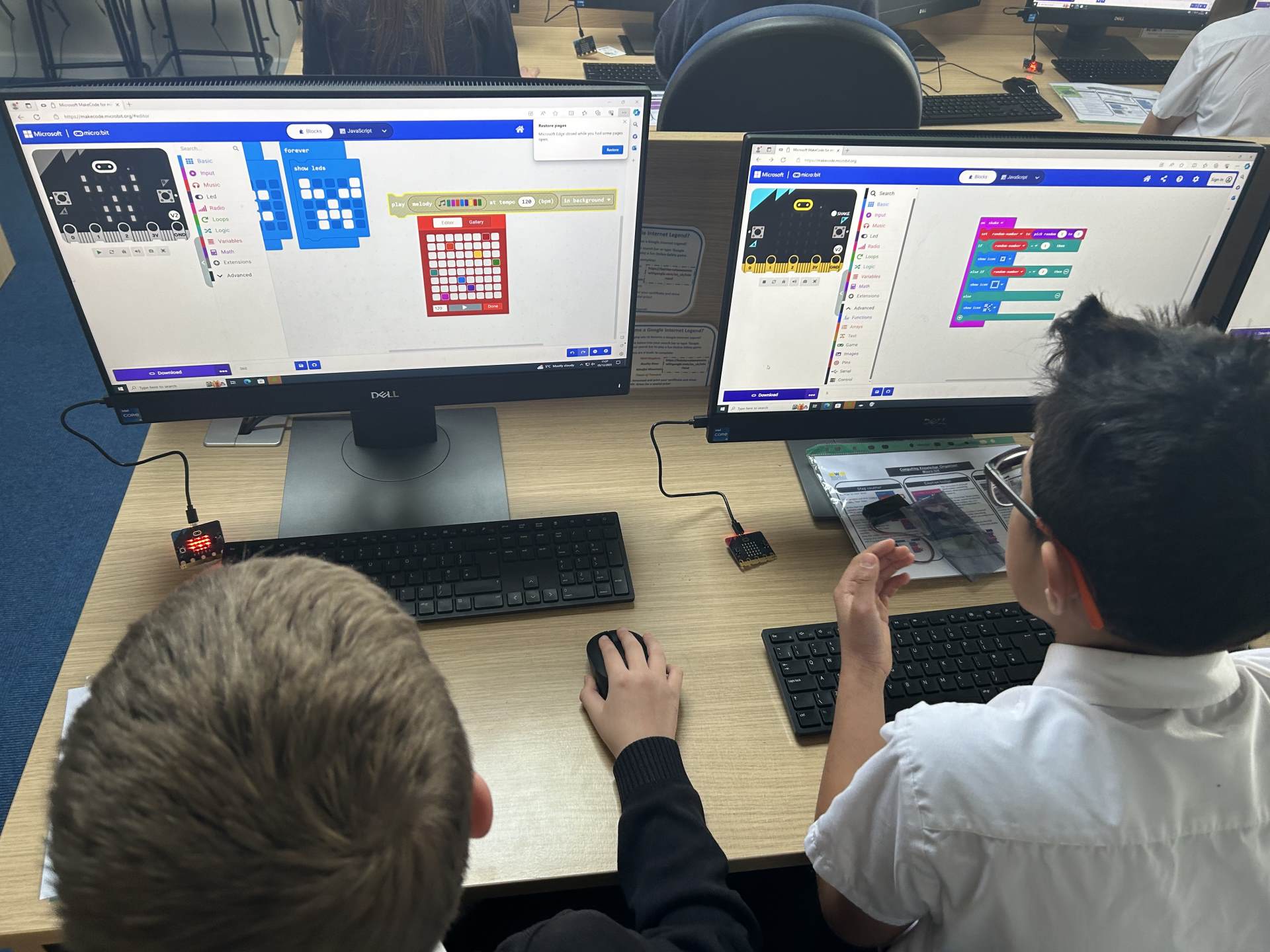
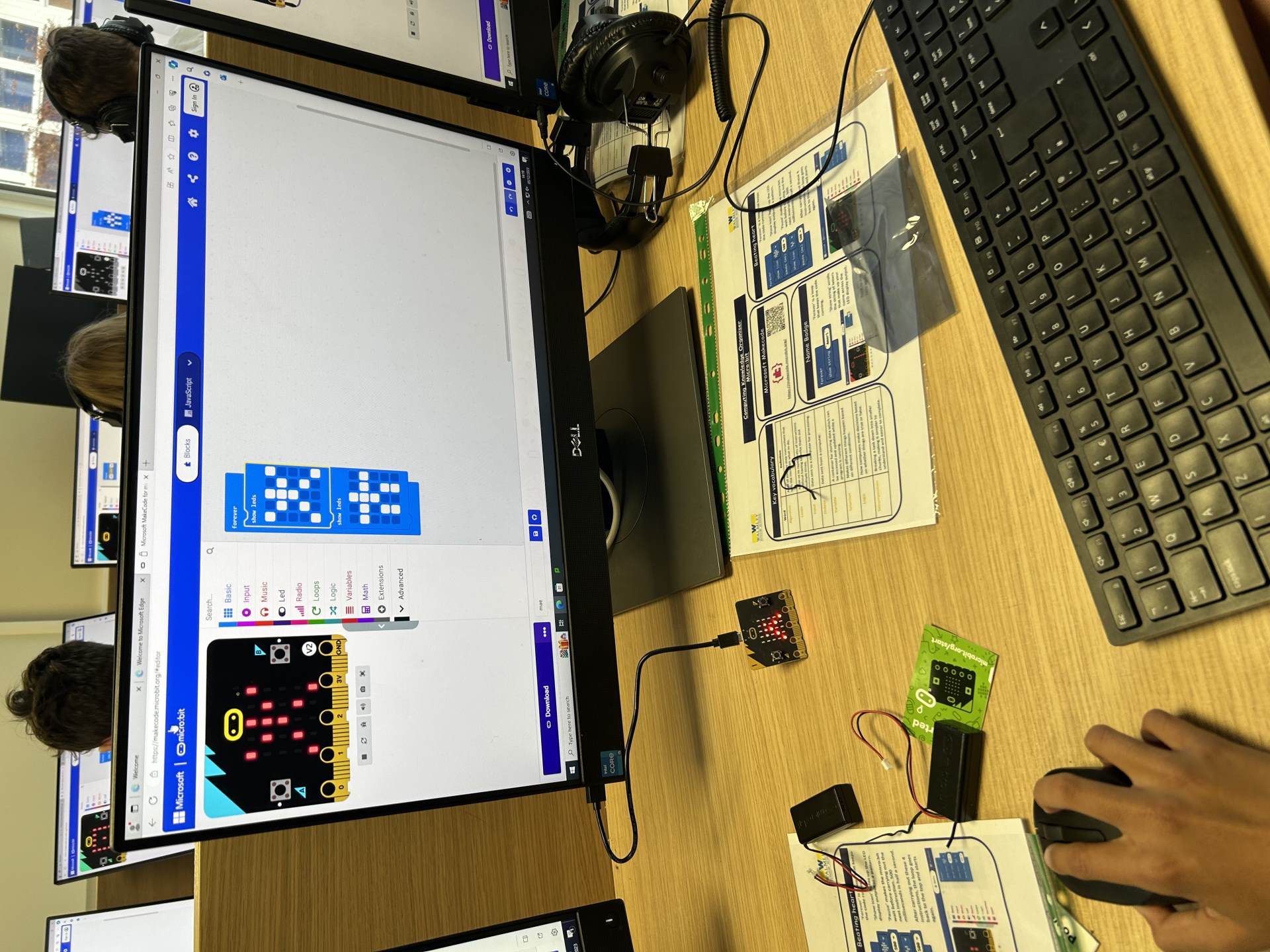
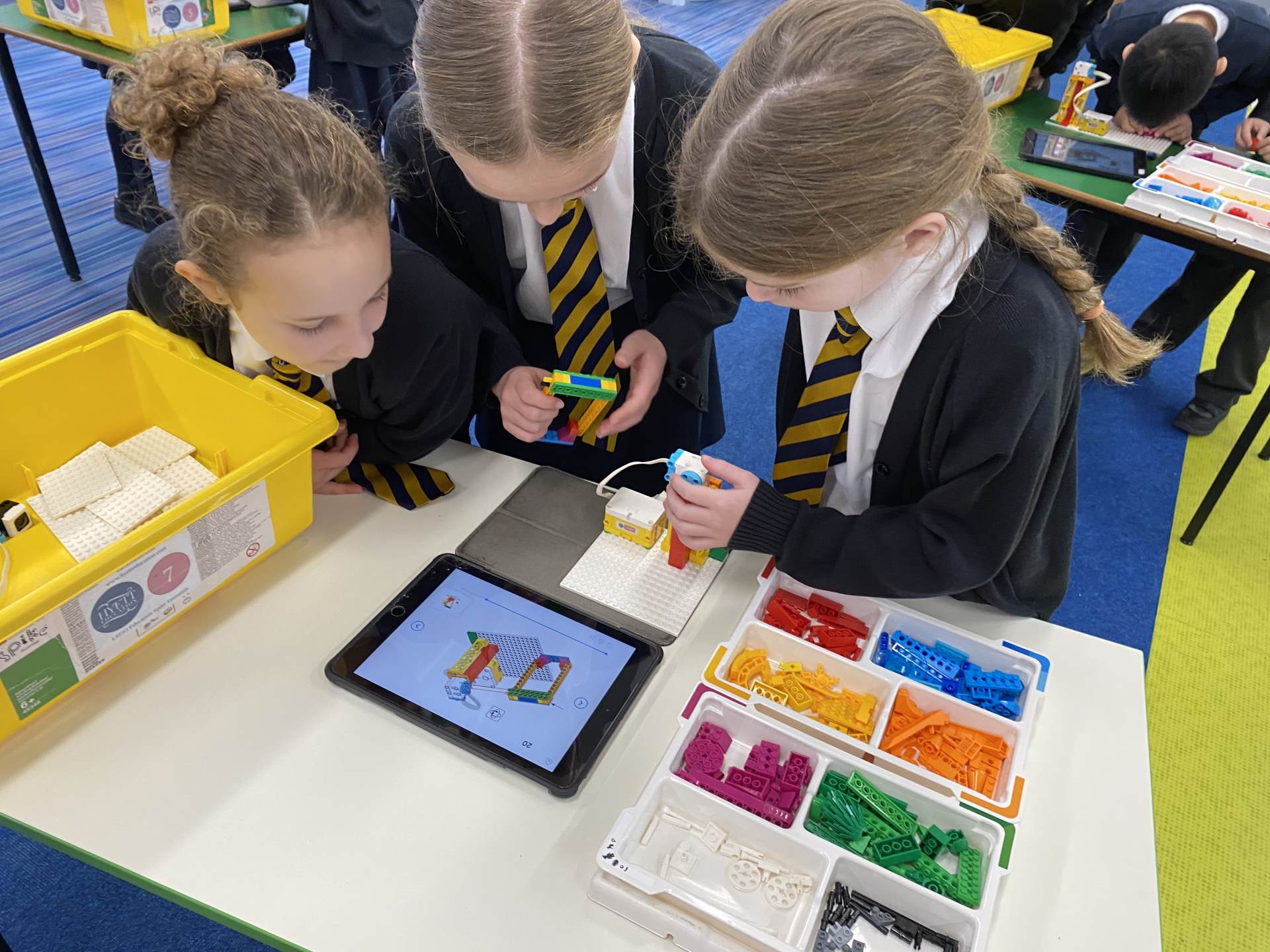
When planning and teaching Computing at Walmley Junior School, we believe that it is an essential part of the curriculum; a subject that not only stands alone but is woven into and should be an integral part of all learning. We aim to develop confident users of Office software (e.g. Microsoft Word), creative thinkers and independent problem solvers. This meets the needs of our children as many of them are technology savvy but through the study of Computing at Walmley Junior School, children will be able to develop a wide range of fundamental skills, knowledge and understanding that will actually equip them for the rest of their life. We want them to be computer literate and be able to use a range of resources to produce creative work and use a variety of media to present it. In addition to this, creativity will be encouraged through a variety of media. We want our children to be inspired by the modern world that they live in and help build upon their technological curiosity. Experimenting with video, sound and coding will allow children to develop a love for technology and become far more innovative.
Implementation
We use the National Curriculum targets to ensure progression across year groups. We have integrated ideas from the Teach Computing/Oak Academy scheme of work. This scheme of work has termly overviews and detailed lesson plans in order to deliver fun and engaging Computing lessons. These resources allow children to use a range of media to present their ideas to display their work in a way of their choice. In Computer Science, children will also be taught to sequence, use repetition and selection and use logical reasoning to debug a program through a series of lessons on Code.org. Computer systems, networks and technologies will be explored too. Staff will continue to have training on computer software to gain even more confidence in its use.
Children at Walmley Junior School are very fortunate to have regular access to computers. We have a computer suite, containing 30 computers, which allow our children to produce work independently on a regular basis. Classes are able to access this for an afternoon at least twice every half term for discrete teaching of skills as well as cross curricular opportunities.
As part of our Information Technology curriculum, children will be taught to research and present information using a variety of Office software as well as understand the purpose of their document. Planning is well-structured and ensures children are building up and repeating skills so that by the end of Key Stage 2 they will be confident at accessing computer software. We follow the model of revisit, design, create, refine and evaluate.
Staff are observed and learning walks will take place to ensure Computing is being delivered to a good standard across the whole school. Work reviews are used to monitor consistency across year groups and check targets are being met.
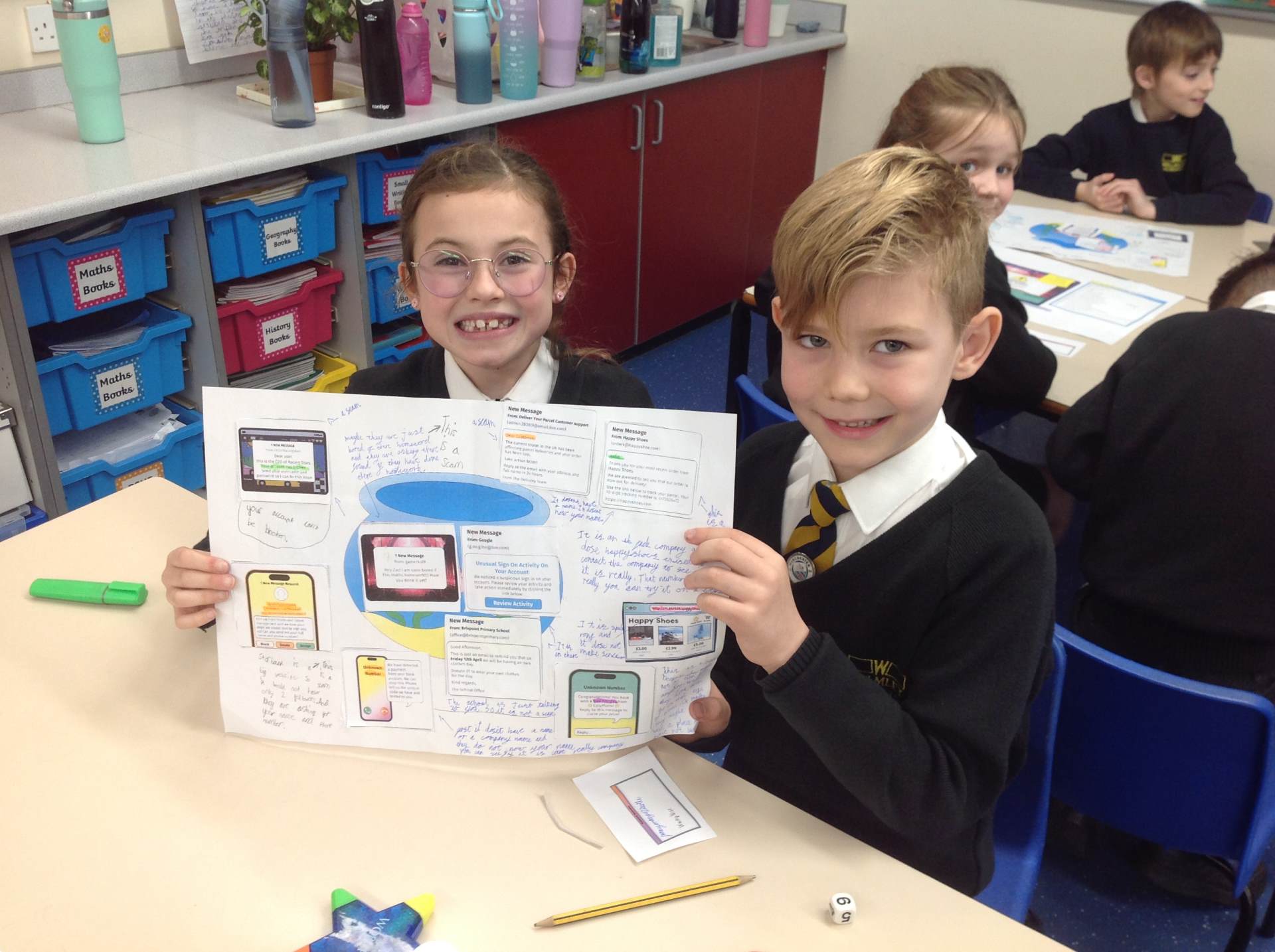
This current academic year we are aiming to achieve the 360 Degree Online Safety award and, with this in mind, two members of staff will be working on Computing within school. We hope to raise the profile of Computing and Online Safety within school, have staff that are confident in delivering the subject and children that are exposed to all areas set out in the National Curriculum.
Impact
By the end of Key Stage 2, all children should be computer literate, independent problem solvers and use a range of Information Technology programs in everyday situations to support learning.
Children should leave Walmley Junior School well-equipped for living digital lives, being able to identify ways to report concerns, and have strategies to deal with unacceptable behaviour online.
We are proud to have achieved the Computing Quality Mark from the National Centre for Computing Education (NCCE) in 2025, demonstrating our commitment to delivering high-quality computing education.
Progression of Skills
Computing